

Mar
Learn More
22

Precision CNC Machined Parts. The engineering rationale, the machines involved and the application areas in which they are used.
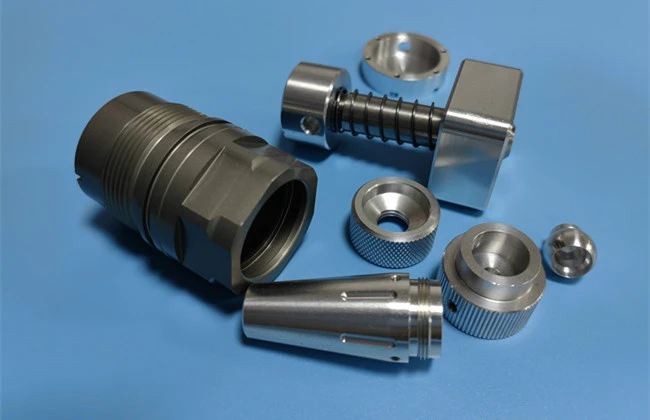
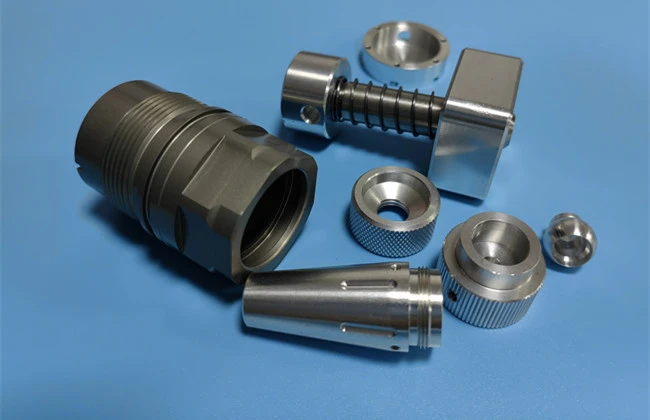
Precision machining is the core of most contemporary products; it is the basis of many aerospace, medical devices, electronics and robotics products that we buy.
From an engineering viewpoint, CNC milling allows complicated geometries to be produced to very tight tolerances while maintaining product quality over time. Compared with manual alternatives, precision CNC machining delivers greater repeatability, increased productivity and greatly enhanced dimensional accuracy.
In this guide we will explain how 1) precision milling works, 2) how CNC precision machines operate, 3) how accurate CNC mills can be and 4) how to choose a machining partner.
If you are looking for quality machining services, browse our CNC milling service page.
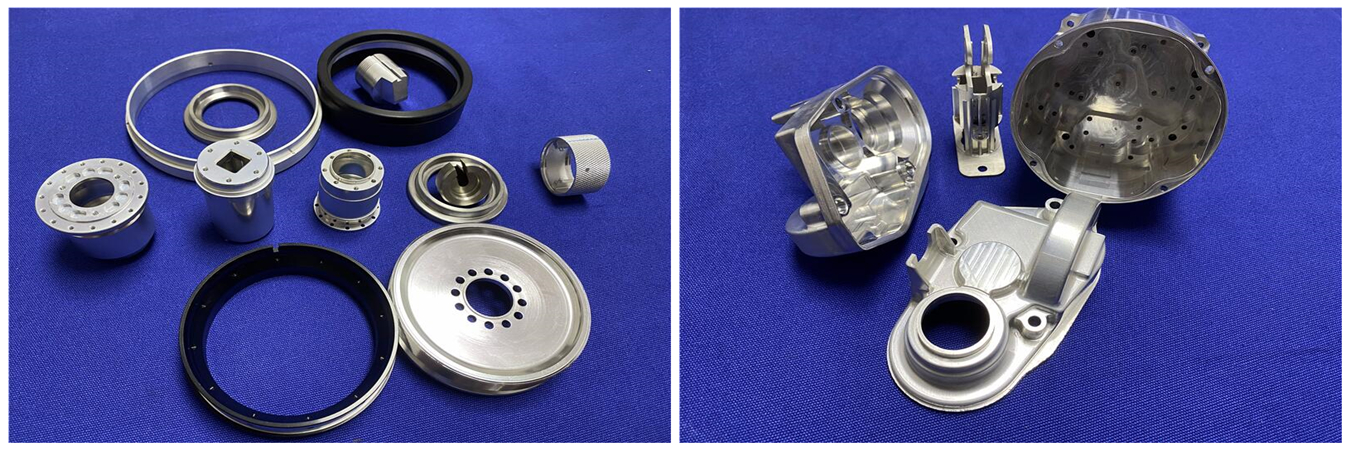
Precision milling is the name given to the process where rotating cutting tools remove material from a workpiece in a computer-controlled machining process. Parts produced by precision milling are capable of extreme accuracy, and the operations are usually conducted on CNC machining centers with this capability.
Three factors from an engineering perspective determine the results desired from the process:
Stability of the machine;
Quality of cutting tools used in the operation;
Correct CNC programming.
Precision milling operations are defined by several important characteristics:
| Feature | Description |
| Tight tolerances | Typically ±0.01 mm or better |
| Surface finish | Smooth and consistent finishing |
| Complex geometries | Multi-axis machining capabilities |
| Repeatability | High consistency across production batches |
Modern CNC machining systems enable manufacturers to create thousands of identical components without deviation.
Industries using precision CNC milling parts which need to be very precise include:
Aerospace manufacturing
Medical device manufacturing
Automotive engineering
Semiconductor equipment
Robotics and automation
These industries rely on precise components to achieve safety, performance and longevity. Explore more of our precision CNC milling services for different applications →
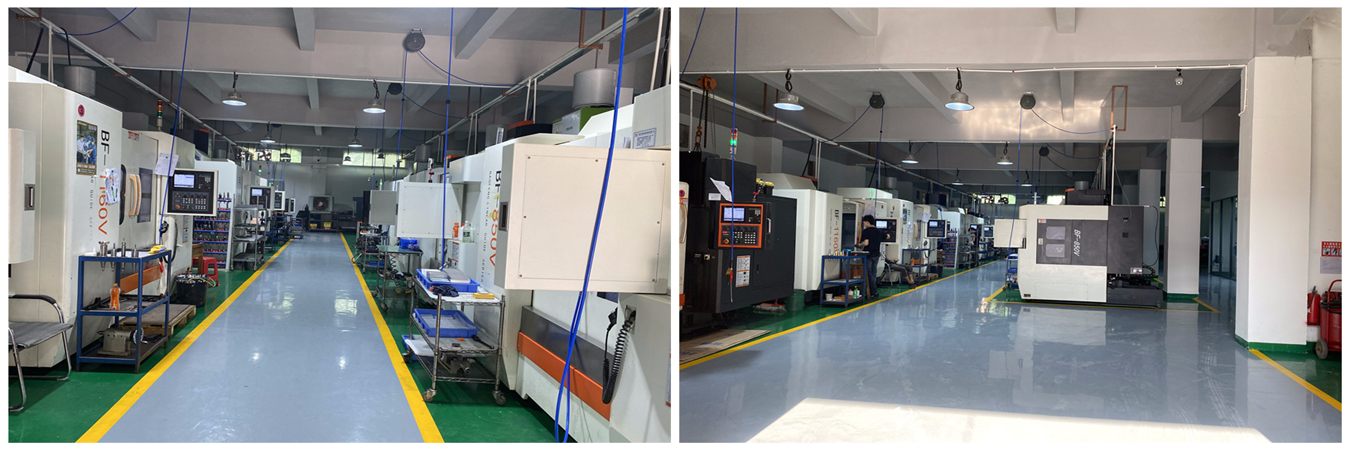
A computer numerical control, CNC, precision machine is a computer controlled manufacturing system to allow the production of highly precise components through automated machining operations.
CNC means Computer Numerical Control meaning that all the movements of any cuts are undertaken as a programmed process using specific software.
Where as with some machining this is undertaken manually, here CNC governs everything:
spindle speed
feed rate
tool path etc
cutting depth.
A typical CNC milling system includes several important components.
| Component | Function |
| Machine frame | Provides structural stability |
| CNC controller | Executes programmed toolpaths |
| Spindle | Rotates cutting tools |
| Tool holder | Secures the cutting tools |
| Linear guides | Enable precise movement |
Every one of those aspects must work together to consistently create an end result that meets all engineering tolerances.
Today’s machining centers often perform multiple different types of operations in one setup, decreasing cycle time and increasing accuracy versus moving parts to different machines during processing.
When shopping for professional machining work, most companies will evaluate suppliers on machining capability, equipment level, and engineering support. Our precision CNC milling services can be tailored for high twist complex projects requiring high dimensional accuracy and stability.
One of the biggest advantages of CNC machining is its ability to achieve extremely tight tolerances.
Typical tolerance ranges include:
| Machining Level | Typical Tolerance |
| Standard CNC machining | ±0.05 mm |
| Precision machining | ±0.01 mm |
| Ultra precision machining | ±0.005 mm |
In many instances, a more advanced 5-axis machining center may be capable of achieving a tighter tolerance based on material and geometry.
There are a number of engineering factors which help determine the end use precision of a part.
High-end CNC machines possess:
greater structural rigidity
higher tolerance of thermal changes
less fluctuations of positioning
These traits are essential for manufacturing components out of cnc milling precision.
Tool quality has a profound effect on precision.
Cutting tools which are precision ground allow for:
lowered vibration
better maintenance of part dimensions
higher quality surface finish Carbide and diamond tools are used for producing high precision CNC milled parts
Programming and Toolpaths
CNC programming for tools takes place in computer code to control movement of the tools in machining.
Using better toolpaths can:
correct mistakes in machining
produce better surface finishes
lengthen life of tools Experienced engineers have optimum programs for producing close tolerance parts.
Experienced engineers carefully optimize programs to ensure efficient production while maintaining strict dimensional control.
Precision milling has applications in many different industries. Following are some of the more common:
The aerospace industry needs extremely accurate parts capable of surviving high loads and harsh environments.
Examples include:
aircraft structural brackets
engine mounting components
aluminum airframe components
Precision CNC milling allows these components to meet stringent safety and performance criteria.
Medical components need extreme accuracy and surface quality.
Typical precision machined medical parts include:
surgical instruments
orthopedic implants
diagnostic equipment components
even small deviations from the desired dimension can affect their medical effectiveness.
Automation equipment needs highly accurate mechanical components.
Typical parts from this category include:
robotic arm components
sensor housings
precision gear housings
many of which are machined from precision CNC milling parts.
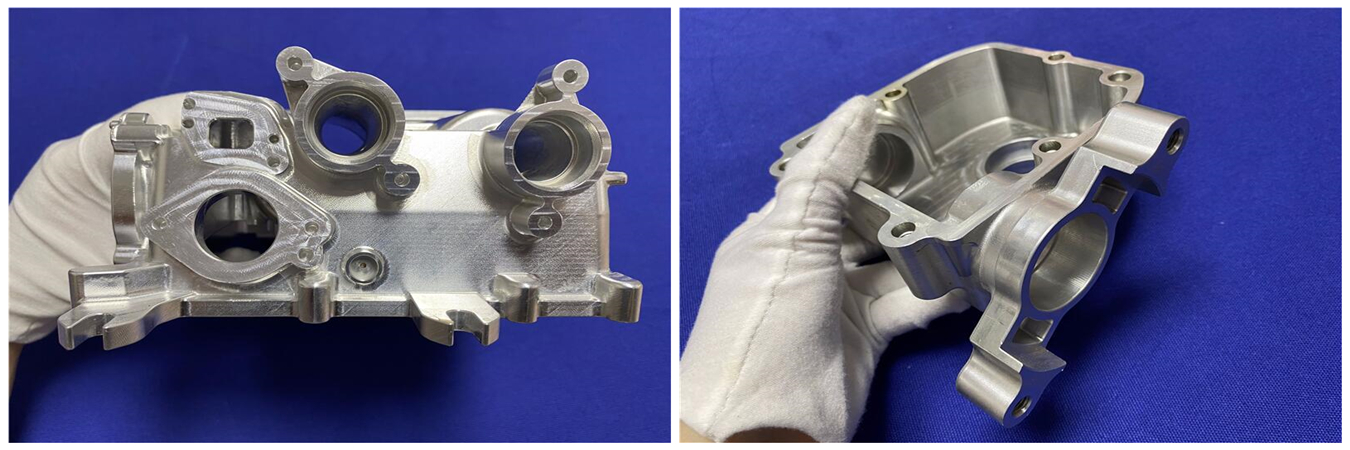
Manufacturing precision components calls for tight inspection and quality controls.
Precision machining companies use gauging technology to confirm their dimensions are correct.
Coordinate Measuring Machines scrutinize parts of all kinds and control complex geometries with extremely high accuracy. Their verifying of things like dimensional tolerances, geometric tolerances, hole positions, and surface profiles guarantees that an engineering target for a CNC milled precision part is met.
CMM inspection verifies:
dimensional tolerances
geometric tolerances
hole positions
surface profiles
Optical inspection technology works with cameras and laser scanning to measure parts and assemblies; commonly used for for high precision CNC milled parts.
Optical Measurement Systems
Use cameras and laser scanning to measure parts without touch. Benefits include:
Very fast measurements
Non-contact measurement
Very good on small features
Leadership also factors into the evolution of advanced manufacturing companies. Flamingo Peng is the CEO of Falcon CNC Swiss, a North Carolina-based precision machining company specializing in CNC turning and milling.
His company has its focus on:
high-precision CNC machining
complex Swiss-type turning parts
advanced CNC milling solutions
Falcon provides engineering-driven manufacturing services to customers around the globe in aerospace, electronics, and industrial equipment. Companies looking for quality machining partners can find out more about Falcon’s capabilities by visiting its CNC milling service page, which describes machining capacity, supported materials, and quality standards.
Choosing the right partner for your CNC milling project is essential to its success. Machinists and engineers usually consider several factors when doing so.
You want to go with a CNC molder that operates:
modern CNC machining centers
multi-axis machining capability
advanced inspection equipment
The availability of such systems ensures accurate reproduction of CNC milling parts every time.
Professional engineering support can result in high-quality parts on the first attempt. Good engineers will:
material selection
tolerance optimization
cost reduction strategies
This collaboration improves product quality and reduces manufacturing costs.
Do they have stamps of approval like:
ISO 9001
IATF 16949
AS9100
These standards indicate a strong commitment to quality control and continuous improvement.
Precision CNC milling is one of the most widely used manufacturing processes in modern manufacturing. With a mix of sophisticated CNC machines, tooling and engineers. And as a buyer, you have a large catalogue of quality precision CNC milling parts to choose from.
With applications in aerospace, medtech and robotics, precision machining provides designers with the tools needed to create reliable and high-tech products. When considering a partner, look at capability, engineering experience and quality processes.
For designers on the hunt for a capable machining partner, checking out a reputable CNC milling service may guide you in the imaging of complex and high-accuracy components. Contact Us Now!
Precision CNC milling is a computer-controlled machining method in which rotating cutting tools remove material from a workpiece to create a part to high levels of accuracy. Precision CNC milling, in engineering parlance, is derived from 3 core concepts: Machine Stability, Tool Quality, and CNC correctness. It allows the manufacture of parts with complex geometry, and tolerances are tight and repeatable.
A precision-milled part has several important characteristics:
Very tight tolerances.
Good surface finish.
Ability to create complex geometries due to increased degrees of freedom of the process.
Very high repeatability of results when producing larger batches.
Precision CNC milling finds its greatest usage in industries concerned over a high-performance opt for it simply to allow parts manufacturers to achieve the required reliability. It is used in aerospace manufacturing, medical devices, the automotive industry, semiconductor equipment and robotics.
Precision machined components are audited to stringent quality standards using modern technologies such as:
CMM Inspection to check dimensional tolerance, geometric tolerances, positions and profiles of holes, as well as the size and shape of surfaces.
Optical Measurement Systems using cameras and laser scanning for fast measurement and inspection, non-contact. They are very popular where parts are very small or delicate. They speed up the measuring process and makemeasurement of very small items possible.
Choosing a supplier is a delicate decision. You shouldlook for:
Technical Capability in the form of modern CNC machining centres as well as multi-axis machines, also equipment like CNC laser cutting and CNC waterjet cutting for more complex parts. Also, in the quality of precision inspection equipment.
Engineering Support - A good supplier can help you with materials & tolerances and in cost reduction too.
Quality Management - From small contract manufacturers this is a little harder to judge, look Certifications. ISO 9001, IATF 16949, AS9100 look for these indicators of quality commitment.

